



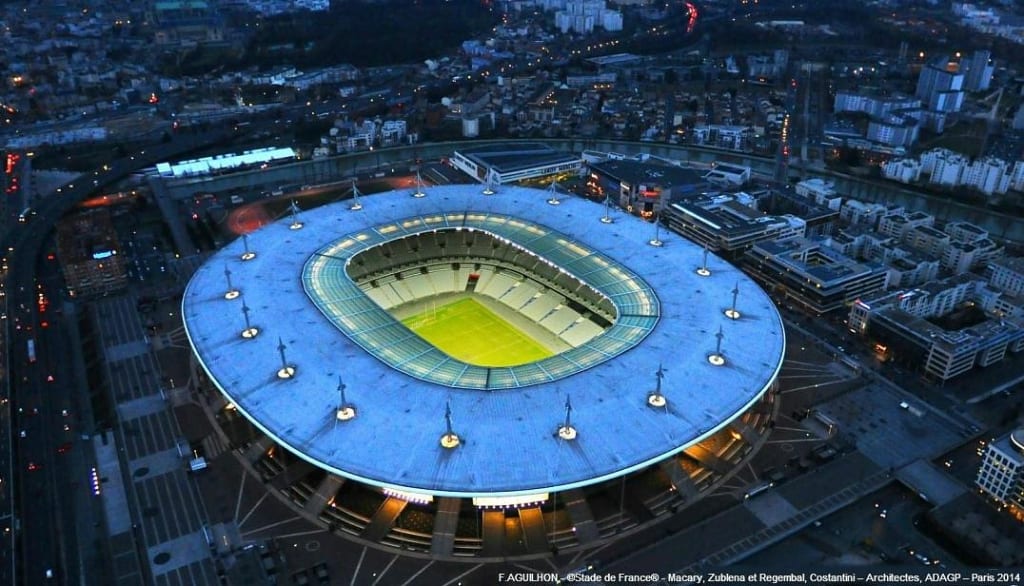
An investigation is under way to find the root cause of the problems which occurred outside the Stade de France on the day of the UEFA Champions League Final between Liverpool and Real Madrid. Kick off for the match was delayed for over half an hour due to crowd trouble outside the stadium. Many of the fans were supposedly using fake tickets which slowed down the rate at which supporters could get in to the stadium and take their correct seats.
French police and sports ministers have initially pointed the finger at Liverpool fans who were outside the stadium waiting to get in claiming that they were using fake tickets. The police outside the stadium claimed they were becoming overwhelmed while eyewitnesses felt police tactics were heavy-handed, a spokesperson for a police union said officers on the ground were overwhelmed.
But Mathieu Valet, from senior police officers’ union the SICP, told the BBC’s Newshour the main issue was not ticketless fans or fake tickets, but “three or four hundred French and undocumented delinquents who were there on the concourse of the Stade de France”.
“It’s clear that we needed more police – we didn’t have enough on the ground,” Mr Valet said.
Michael Carter was among tens of thousands of Liverpool supporters gathered in a fan zone in the south-west of Paris ahead of the Champions League final.
He recalled a “top class” atmosphere, without any trouble. As early evening approached, he and others with tickets travelled to the Stade de France in the north of the city, ahead of the scheduled kick-off at 21:00.
Fans had been warned to get there early and Merseyside police, who had officers deployed as observers, would later describe the behaviour of most as “exemplary”, saying they arrived in plenty of time and queued as directed.
Trouble also flared due to heavy handed policing and overcrowding outside the stadium. Large numbers of fans were sprayed with tear gas by police in an effort to control the situation. This made the problem worse and recreated scenes similar to what happened at the Hillsborough Stadium disaster on the 15th April 1989 where ninety seven Liverpool fans sadly died when they were directed in the two standing-only central pens in the Leppings Lane stand allocated to Liverpool supporters. Shortly before kick-off, in an attempt to ease overcrowding outside the entrance turnstiles, the police match commander David Duckenfield ordered exit gate C to be opened, leading to an influx of supporters entering the pens. This caused a huge and fatal crush inside the pens which had become overcrowded. Fans were initially blamed for the incident but this was later changed after the Hillsborough Disaster Inquest which found that all the fans involved were unlawfully killed and that the behaviour of Liverpool fans didn’t contribute to the crush.
The French police who were trying to control the crowd placed the main blame on travelling football fans stating that they were trying to climb over gates and find a way in to the stadium, although this has been roundly denied by eye witnesses, Liverpool Football Club and other sports officials.
Liverpool fans who were in the crowd claimed that the crowd trouble was made worse due to gangs of young people who were trying to pick pocket and steal from travelling football fans and rush the gate.
The French government has suggested there were between 30,000 and 40,000 ticketless Liverpool fans who attempted to gain entry to the stadium.
Mr Darmanin described it as “massive, industrial-level ticket fraud”.
There were several reports of legitimate tickets failing to scan or being rejected at the turnstiles, however Peter Hooton, singer of Liverpool band The Farm, told BBC Radio 4’s PM programme that he was attending as a guest of broadcaster BT Sport in a neutral part of the ground, where French, Spanish and British attendees all saw their mobile tickets repeatedly rejected.
Both parties have now called for an investigation in to the troubles.
The match eventually kicked off half an hour late and ended in a 1-0 victory for Real Madrid who have now won the competition a record fourteen times.

